




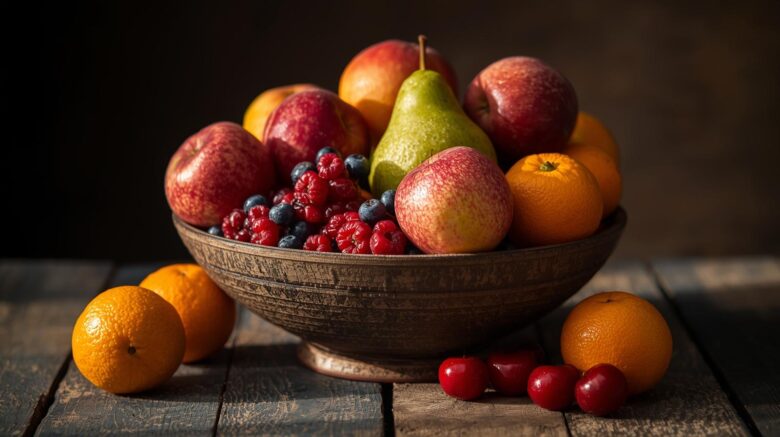
Choosing the best fall and winter fruits when you have diabetes is important for managing blood sugar while enjoying seasonal flavors. The ideal options are packed with fiber, antioxidants, and essential nutrients—all without causing rapid spikes in glucose levels. Here’s an expert guide to the top choices, how they benefit you, and smart ways to enjoy them this season.
Apples: A Crisp Classic
Apples are abundant in both fall and winter. Their low glycemic index (GI) and high fiber, especially in the skin, make them excellent for steadying blood sugar. Fiber slows down digestion, preventing sudden sugar spikes. Enjoy apple slices with nut butter, dice them into oatmeal, or bake apples with cinnamon for a comforting treat.
Pears: Mild Sweetness and High Fiber
Pears are another seasonal staple with mild natural sweetness. Rich in dietary fiber, they help regulate blood sugar and promote digestive health. Sliced pears work well in salads or as a snack paired with cheese or nuts.
Berries: Nutrient Powerhouses
Blueberries, strawberries, raspberries, and blackberries are lower in carbs and GI, offering plenty of antioxidants and fiber. While often associated with summer, many berry varieties are available through winter. Their antioxidant content can reduce inflammation and support overall health. Toss berries into yogurt, oatmeal, or salads for vibrant color and nutrition.
Citrus Fruits: Bright Vitamin C
Winter is prime time for citrus—especially oranges, grapefruits, clementines, and lemons. Citrus is high in vitamin C, potassium, and soluble fiber, which aids in stabilizing blood sugar. Grapefruit, in particular, has a very low GI and is linked with improved metabolic health, though it may not be safe with certain medications. Eat whole segments or add them to winter salads.
Kiwi: A Small Fruit With Big Benefits
Kiwi is low in carbs and GI, rich in vitamin C and fiber. Its tart flavor complements its benefits, and it’s also available in cooler months. Enjoy it on its own, sliced into yogurt, or paired with berries for a vitamin-packed snack.
Cherries: Tart and Sweet
Cherries—especially tart varieties—offer antioxidants and anti-inflammatory properties. With a low glycemic index, they make a smart fruit choice for diabetes management. Research shows tart cherry juice can support better long-term glucose control.
Pumpkins and Squash: Culinary Versatility
While technically fruits, pumpkins and winter squash like butternut offer complex carbohydrates and fiber. Roasting cubes or adding pureed squash to soups delivers hearty nutrition and helps slow digestion, supporting steadier glucose levels.
Smart Tips for Enjoying Fall/Winter Fruits
- Choose whole fruits over juices to maximize fiber.
- Always watch your portion size, as larger servings can raise blood sugar.
- Pair fruits with protein or healthy fats—think apple with nuts or berries with Greek yogurt—to keep blood sugar steady.
- Regularly monitor your response with a glucose meter or food diary, noting which fruits work best for your body.
What to Limit
Some fruits, while healthy, may be higher in sugar or less diabetes-friendly when eaten in excess—such as bananas, dried fruits, and grapes. Emphasize the options above and save the higher-sugar fruits for occasional small servings if your blood sugar allows.
By focusing on apples, pears, berries, citrus, kiwi, cherries, and select squash, you can enjoy fall and winter’s bounty while keeping diabetes in check. Every fruit provides unique vitamins, minerals, and seasonal flavor—making your diabetic-friendly diet varied and enjoyable, even in the colder months.

Medical Disclaimer: This newsletter gives general health info, not medical advice. Always talk to your own provider before making changes.